
The National Science Foundation is currently funding our newest initiative! This work will focus on teaching accessibility skills (such as providing curricula and knowledge to computer science instructors), encouraging employers to prioritize accessibility, and making computer science education accessible in order to be compliant.
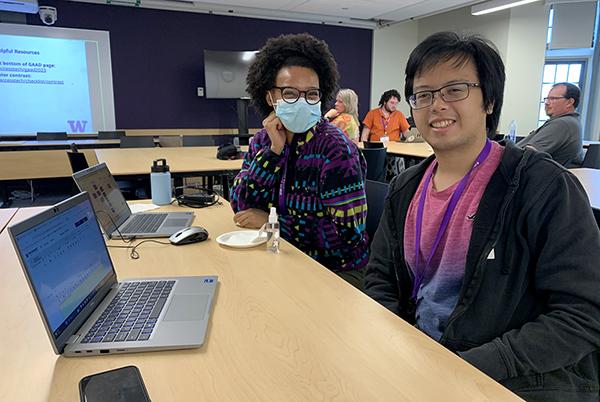
Teach Accessibility
Accessible computing technology benefits a wider range of users and offers economic advantages. Most U.S. computing curricula lack accessibility training, which creates a skills gap between industry needs and the workforce. The absence of accessibility in computing education further detracts from workforce potential by limiting who can succeed in the field and restricting student exposure to advanced computing tools and technologies. Expanding accessibility training helps close the skill and knowledge gap in the computing workforce, which in turn ensures all Americans can benefit from new computing technologies. Making computing education accessible also enables more Americans to enter the computing workforce prepared to meet industry needs.
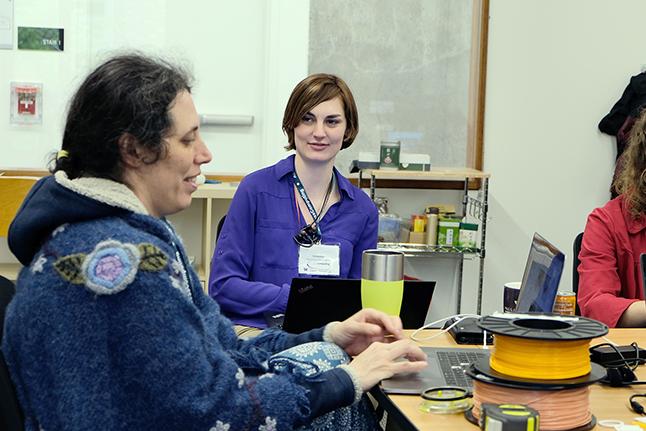
Universal Design
Universal design is the process of creating products that are accessible to people with a wide range of abilities, disabilities, and other characteristics. Universally designed products accommodate individual preferences and abilities; communicate necessary information effectively (regardless of ambient conditions or the user's sensory abilities); and can be approached, reached, manipulated, and used regardless of the individual's body size, posture, or mobility. Application of universal design principles minimizes the need for assistive technology, results in products compatible with assistive technology, and makes products more usable by everyone, not just people with disabilities.
© 2006-2025 University of Washington (UW). These materials are provided under a Creative Commons BY-NC-SA 4.0 License and in accordance with UW's privacy policy and terms of use. The National Science Foundation (NSF)'s AccessComputing project is part of the Broadening Participation in Computing program (NSF BPC grant #CNS-2417014). Any questions, findings, conclusions, and recommendations expressed in this material are those of the author and do not necessarily reflect the views of the federal government.