
Videos
Videos created by AccessCSforAll and our partners share research-informed strategies for making K–12 computing education accessible and inclusive for students with disabilities. K-12 computer science educators can learn about universal design, accessible coding tools, inclusive teaching practices, and other effective methods for supporting a wide variety of diverse learners.
Accessible Programming with Blocks4All
Blocks-based programming environments such as Scratch are often the first experiences for young children who are learning computational thinking and programming.
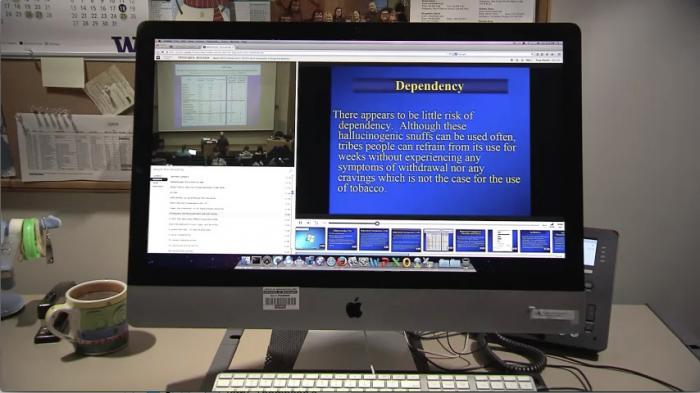
Captioning Lecture Capture Videos: A Promising Teaching Practice
This videos shows how captioning videos in a lecture capture application helps all faculty and students by making video searchable, interactive, easier to understand, and accessible for people who are deaf or hard of hearing.
Communication Access Realtime Translation: CART Services for Deaf and Hard-of-Hearing People
Communication Access Realtime Translation (CART) provides access to communication for individuals who are deaf.
Creating Accessible Documents
Regardless of whether documents are created in Adobe PDF, Microsoft Word, or another format, there are right and wrong ways to create documents in order to ensure people with disabilities can access them.

Equal Access: Universal Design of Computer Labs
This video presentation shows how to make computer labs accessible to people with disabilities.
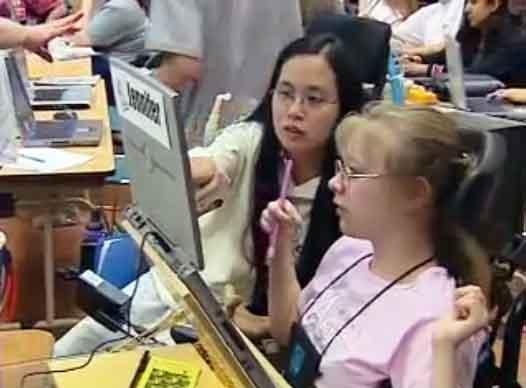
Equal Access: Universal Design of Instruction
This video presentation demonstrates strategies for making instruction in a classroom or in a tutoring center accessible to all students.
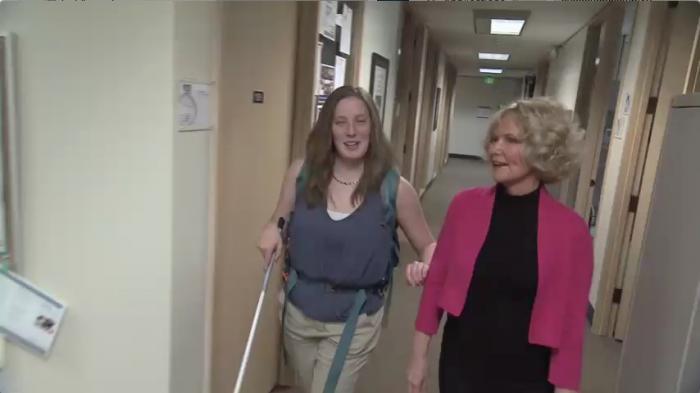
How Can We Encourage Students with Disabilities to Pursue Computing?
The demand for trained computer scientists and engineers has grown and continues to grow dramatically.
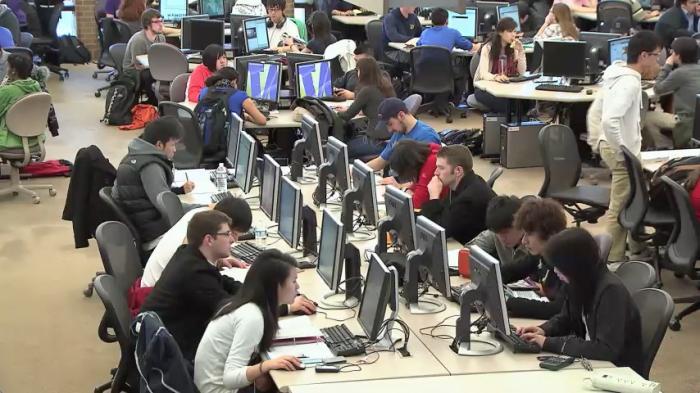
How Can We Include Students with Disabilities in Computing Courses?
This video includes profiles of successful computing students and professionals who happen to have disabilities. Learn how accommodations, assistive technology, and universal design strategies can make computing courses accessible to students
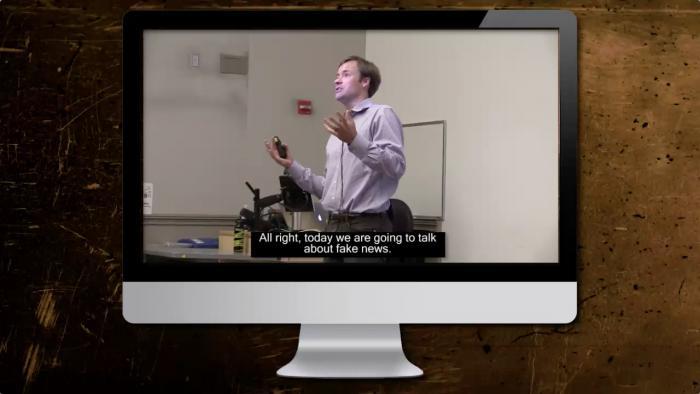
Making Videos Accessible
Learn what to consider when creating a video that it is accessible to all viewers, from pre-production techniques to the provision of captioning and audio description.
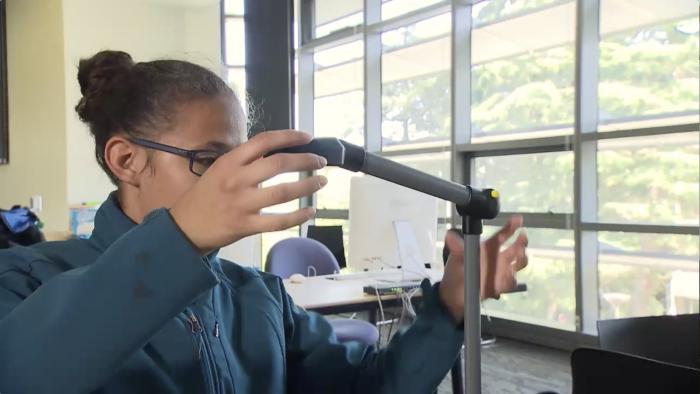
Our Technology for Equal Access
This video highlights participants in DO-IT programs such as AccessComputing, who share information about the technology they use to access school, work, and the community.
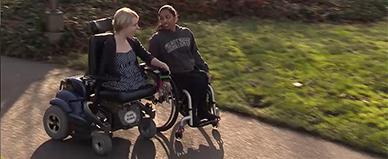
Quality Education Is Accessible
Students with a variety of disabilities share strategies for making instruction more accessible to them.
Quorum: An Accessible Programming Language
This video serves as an introduction to the Quorum programming language which is designed to be accessible to individuals with disabilities and is widely used in schools for the blind.
Quorum: An Accessible Programming Language (3-minute version)
Learn about the Quorum programming language, which is designed to be accessible to individuals with disabilities, including those who are blind.
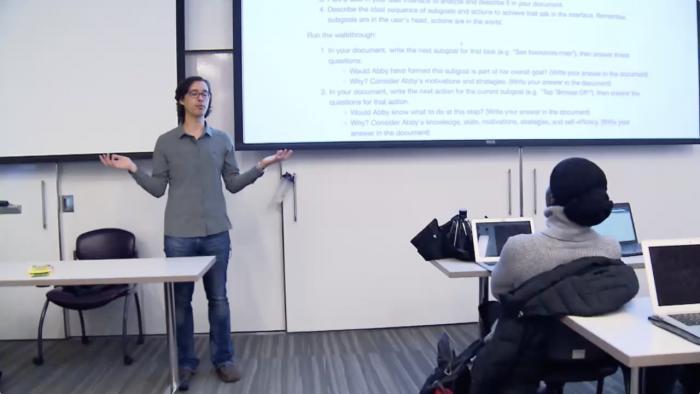
Teaching Accessibility: Including Accessibility in Your Courses
There are multiple strategies that can be used to teach about accessibility in computing courses. Exposing students to this information can help them create more accessible products throughout their careers.
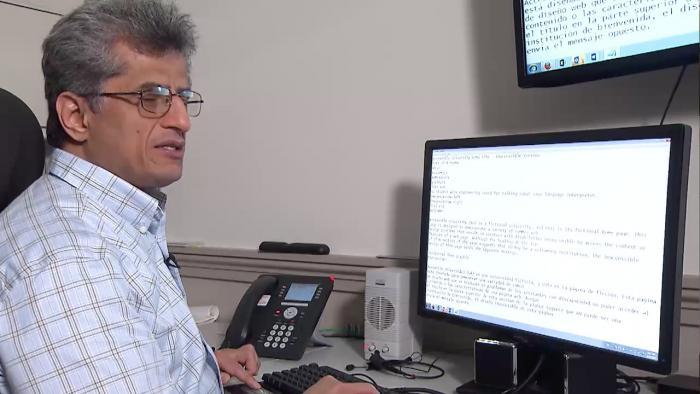
Using a Screen Reader
Expert Hadi Rangin demonstrates how web content sounds to someone using screen reader software and shares characteristics of accessible web pages.