This page provides resources to help educators support students with disabilities in computing courses and programs. It introduces strategies grounded in universal design for learning, focusing on creating course materials, activities, and assessments that are flexible, inclusive, and usable by all students from the outset. It also highlights approaches for teaching accessible coding practices, including how to write code with semantic structure, meaningful naming, and output that works with assistive technologies. The materials emphasize removing barriers in both instruction and tools, fostering classroom environments where students can participate fully and demonstrate their knowledge in multiple ways.
If you are a computer science educator engaging with accessibility and inclusion for the first time, we recommend starting Making Computing More Accessible and Welcoming and Teaching Accessibility.
If you want continued assistance, reach out for AccessComputing Consultation and Support or apply to be an AccessComputing Partner.
Resources Fall into the Following Categories:
Informational Briefs
Videos







Webinars
Book Chat with author Rua Williams: Disabling Intelligences: Legacies of Eugenics and How We are Wrong about AI
Where Will I Find the Time? A Flexible Ecosystem Approach to Digital Accessibility Training
Including Students with Disabilities in CS Education, Part 2
Including Students with Disabilities in CS Education, Part 1
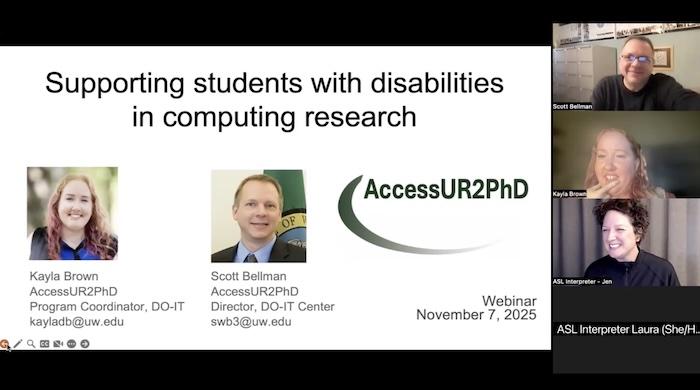
Supporting Students with Disabilities in Research

Impostor Phenomenon in an Academic Environment
GitHub's Pledge to Help Improve the Accessibility of Open Source Software at Scale
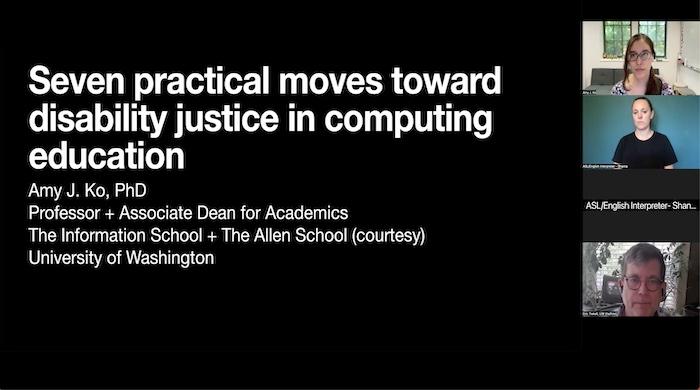
Seven Practical Moves Toward Disability Justice in Computing Education

Generative AI and Accessibility Benefits, Trade-offs and Impacts of Intersectionality -
Making a Plan: Developing a Strategy for Course Accessibility
GAAD - Interdisciplinary Computing Instructor Workshop: Making Courses More Accessible
Accessibility for STEM in Higher Education
Starting the Journey: Accessibility Tips for Everyday Tasks
Pathways to Greater Accessibility and Inclusion for Postdocs with Disabilities

The New ADA Title II Regulations on Digital Technologies: What it Means for Your School
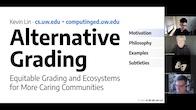
Alternative Grading
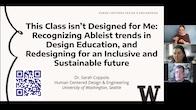
This Class Isn't Designed for Me!
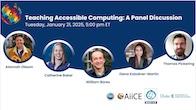
AiiCE Lecture Series: Teaching Accessible Computing Panel
NextGen Leaders Initiative