This page provides resources to help employers support people with disabilities in computing workplaces and career pathways. It introduces strategies grounded in universal design, focusing on creating work environments, processes, and tools that are flexible, inclusive, and usable by all employees from the outset. It also highlights approaches for promoting accessible coding and development practices, including writing code with semantic structure, meaningful naming, and outputs that work well with assistive technologies. The materials emphasize removing barriers in both workplace practices and technologies, fostering inclusive teams where employees can contribute fully and demonstrate their skills in multiple ways.

If you need continued assistance, reach out for AccessComputing Consultation and Support or apply to be an AccessComputing Partner.

Resources Fall Into the Following Categories:

Informational Briefs

2016 Report of the AccessSTEM/AccessComputing/DO-IT Longitudinal Transition Study (ALTS)

Read the analysis of data that tracks the college and career pathways of students with disabilities who have participated in activities sponsored by AccessComputing and DO-IT projects.

30 Web Accessibility Tips

These web accessibility tips can be used by web designers, developers, or content authors to guide them in creating or deploying web-based resources that are fully accessible to all users.

Accessibility and Universal Design of Online Meetings

Due to increasing public interest, and the emergence of more robust online conferencing tools, online meetings are increasing in frequency.

Accessibility in Third-Party Products and Services

Even major events such as conferences and commencement ceremonies are now conducted online. Being more dependent than ever on third party technology solutions makes it more critical than ever that those solutions be accessible to all users, including indi

Equal Access: Universal Design of Career Services

A checklist for making the career services welcoming, accessible, and usable

Equal Access: Universal Design of Computer Labs

A checklist for making computer labs welcoming, accessible, and usable

Equal Access: Universal Design of Physical Spaces

A checklist for designing spaces that are welcoming, accessible, and usable

Equal Access: Universal Design of Professional Organizations

A checklist for making professional organizations inclusive

Equal Access: Universal Design of Your Presentation

A checklist for making your presentation welcoming and accessible to everyone

Equal Access: Universal Design of Your Project

A checklist for making projects welcoming, accessible, and usable

Equal Access: Universal Design of Your Research

A checklist for making research welcoming, accessible, and usable

Five Steps to More Accessible and Inclusive Hiring

Hiring the best and brightest team members is top priority for any employer. But, recruiting diverse applicant pools requires inclusive hiring practices from the start.

Making a Makerspace? Guidelines for Accessibility and Universal Design

Many engineering departments, libraries, and universities are launching new initiatives to create makerspaces, physical spaces where students, faculty, and the broader community can gather and share resources and knowledge, work on projects, network, and

Programming Languages and Learning

This web page is designed to provide an overview of recent evidence on human factors evidence in programming language design. In some cases, our intent is to dispel myths. In others, it is to provide the result of research lines.

Quorum Programming Language

The Quorum Programming Language is an evidence-based language that started out as a project to simplify syntax and provide accessibility for blind or visually-impaired students.

Tips for Delivering an Accessible Presentation

Since the speaker is not likely to know specific characteristics of participants, it makes sense to be proactive and design a presentation that will be accessible to anyone—or, at least almost everyone—without the need for accommodations.

Web Accessibility: Guidelines for Administrators

This publication provides guidance to non-technical administrators regarding how to ensure that websites in their organizations are accessible to everyone.

Videos

Access to Technology in the Workplace: In Our Own Words

In this video presentation, employees with a variety of disabilities describe how they use computers and promote the provision of accessible electronic and information technology in the workplace.

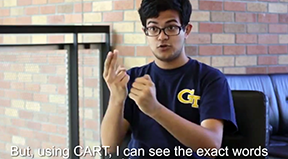
Communication Access Realtime Translation: CART Services for Deaf and Hard-of-Hearing People

Communication Access Realtime Translation (CART) provides access to communication for individuals who are deaf.

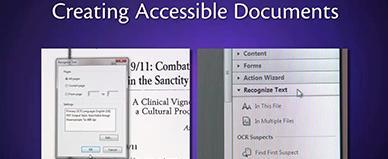
Creating Accessible Documents

Regardless of whether documents are created in Adobe PDF, Microsoft Word, or another format, there are right and wrong ways to create documents in order to ensure people with disabilities can access them.

Finding Gold: Hiring the Best and the Brightest

In this video presentation, employers in cooperative education, internship, and other work-based learning programs show how to fully include participants with disabilities.

IT Accessibility: What Web Developers Have to Say

University web designers and developers discuss the importance of creating websites that are accessible to all users.

It's Your Career

In this video presentation, college students with disabilities tell about work-based learning experiences and show how to gain access to these opportunities.

Making Videos Accessible

Learn what to consider when creating a video that it is accessible to all viewers, from pre-production techniques to the provision of captioning and audio description.

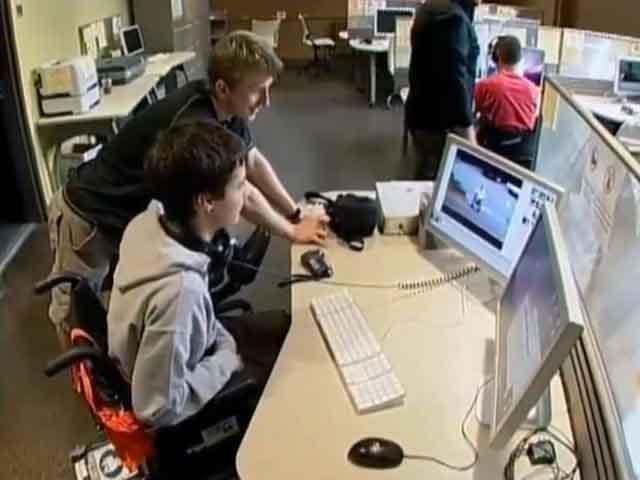
Our Technology for Equal Access

This video highlights participants in DO-IT programs such as AccessComputing, who share information about the technology they use to access school, work, and the community.

Recruiting and Retaining Employees with Disabilities

Speakers share the benefits of employing individuals with disabilities and steps that can be taken to recruit and retain them.

Returning from Service: College and IT Careers for Veterans

This video presents opportunities and challenges faced by veterans with disabilities as they transition to the postsecondary classroom and pursue degrees in computing and information technology fields.

Technology Advancements and Disability Identity

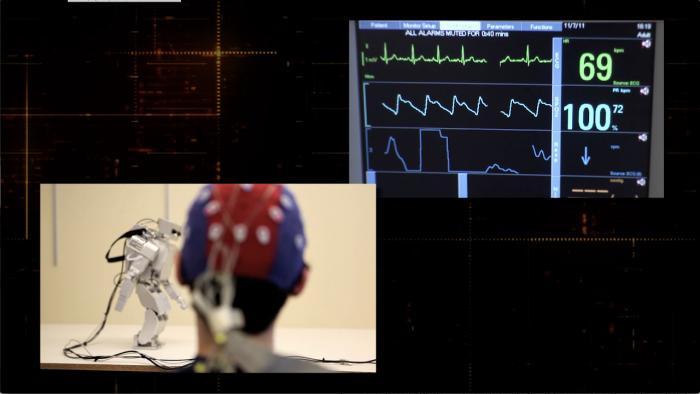
This video explores perspectives of individuals with disabilities as they discuss emerging technology that can enhance the human body and mind.

The Job Search and Disclosing your Disability

This video explores strategies for disclosing disability-related information in the workplace. Interns and employees with disabilities should consider if, when, and how they want to share information about their disability.

Using a Screen Reader

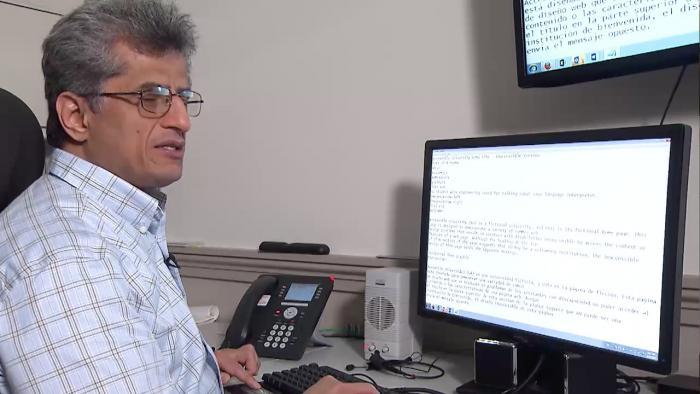
Expert Hadi Rangin demonstrates how web content sounds to someone using screen reader software and shares characteristics of accessible web pages.

Women with Disabilities in Academic Careers

Women with disabilities in STEM faculty careers are often invisible; many do not disclose their disabilities, and their disabilities are not obvious to others.

Webinars

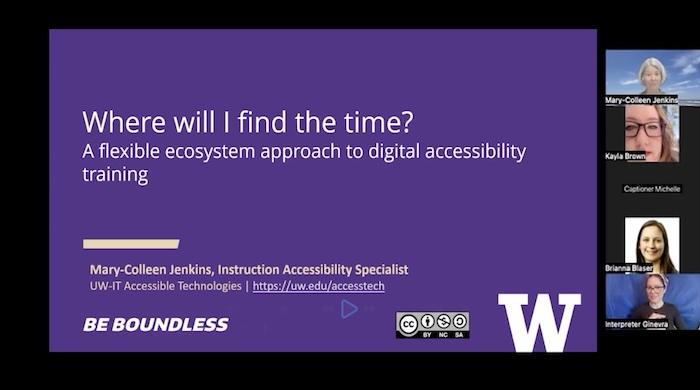
Where will I find the time slide deck title

Where Will I Find the Time? A Flexible Ecosystem Approach to Digital Accessibility Training
When it comes to digital accessibility training, instructors often ask, “Where will I find time to learn these new skills?” followed by, “Where do I start?”
Screenshot from Zoom Webinar with two presenters and a QR code

GitHub's Pledge to Help Improve the Accessibility of Open Source Software at Scale
Learn how GitHub is working to make open-source assistive technology accessible and available to all, including people with disabilities.
Webinar title slide

Generative AI and Accessibility Benefits, Trade-offs and Impacts of Intersectionality -
Researchers present findings on the the benefits, trades offs and impacts of using Generative AI for accessibility by members of the Deaf/HoH communities and Neurodivergent individuals.
Title slide from the Strategic Interview Prep webinar recording

Strategic Interview Preparation

Learn how to strategically prepare for interviews
Title slide from the NextGen Leaders Initiative webinar recording.

NextGen Leaders Initiative

NextGen Leaders are college students and recent graduates with disabilities, including veterans, who represent sought after talent by Disability:IN’s 550+ Corporate Partner companies.
Title slide of Mental Health Literacy webinar recording

Introduction to Mental Health Literacy
Learn more about prevalence of mental health illness in general and in academic populations.
Title slide of the BIT Employment Services webinar with audio description recording

BIT - Employment Services for People in the Disability Community (Audio-Description)
The Blind Institute of Technology (BIT) provides employment services to individuals with any type of disability.
Title slide of BIT Employment Services webinar recording

BIT - Employment Services for People in the Disability Community
The Blind Institute of Technology (BIT) provides employment services to individuals with any type of disability.
Screenshot of Zoom webinar

Our Ability Employment Information Session
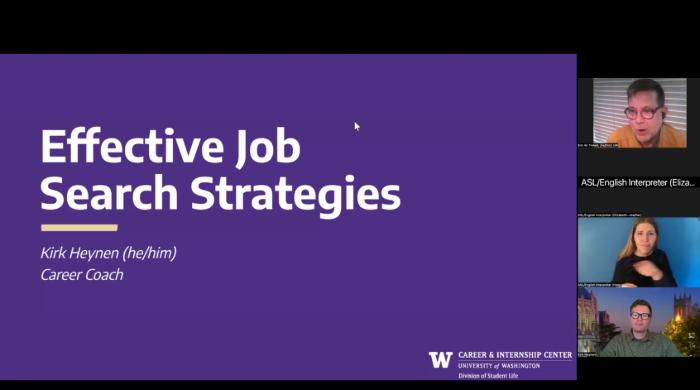
Learn about how to use employment sites like "Our Ability".
Screenshot of Zoom webinar

Preparing for Graduation: Exploring Employment Resources
Learn tips and resources for starting an employment search.
a cover of the webinar

Ashley Shew Q&A

Q&A with Ashley Shew, author of Against Technoableism: Rethinking Who Needs Improvement.
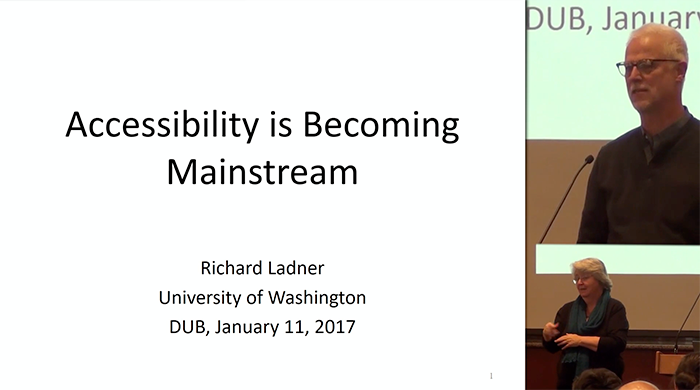
Richard Ladner presenting

Accessibility Is Becoming Mainstream

Learn more about how the view of disability has been changing over the past 100 years and continues to change.
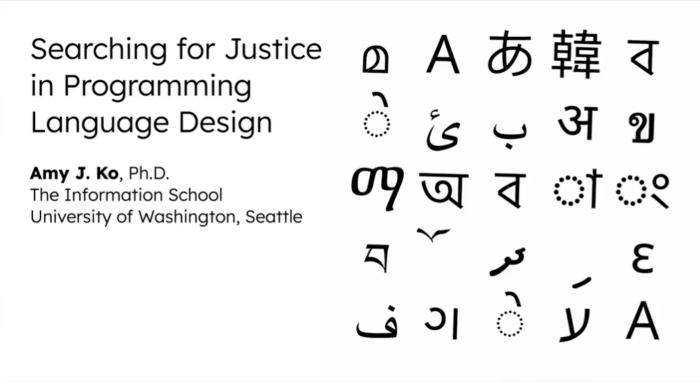
Screenshot of Zoom webinar

Searching for Justice in Programming Language Design
Learn what it might mean to center justice in programming language design.
a cover of the webinar

Disability Inclusion in the Ongoing Pandemic
Learn about the implications of the COVID pandemic on the future for the disability community.
a cover of the webinar

Finding Community and Connection

Hear from faculty with disabilities about ways to find community and connection with other faculty with disabilities through professional organizations, disability cultural centers, and other strategies.
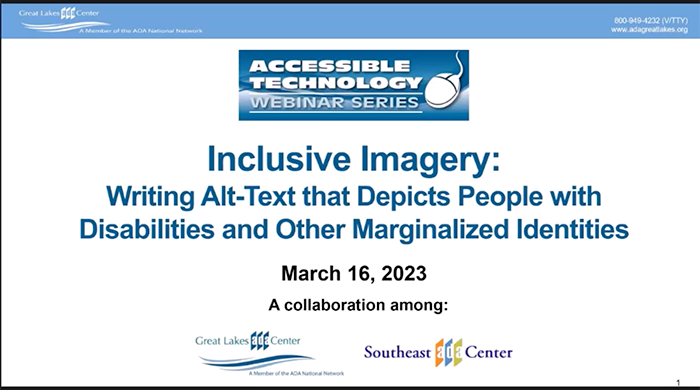
Zoom webinar title slide

Inclusive Imagery – Writing Alt-Text Depicting People with Disabilities and Other Marginalized Identities
Learn about writing alt-text that depicts people with disabilities and other marginalized identities.
a cover of the webinar

Equity and Inclusion Considerations in CS Education for Students Living with Mental Health and Medical Conditions
Speaker(s): Maya Israel, PhD (University of Florida), Joanne Barrett, EdD (University of Florida), Chris Murphy, PhD (Bryn Mawr College), [...]
a cover of the webinar

Considerations for Technology Design for People with Chronic Illnesses
Learn how technology design can better consider people with chronic illnesses.
a cover of the webinar

Experiences of Professionals with Invisible Disabilities
Professionals with invisible disabilities share their experiences in academia and the workforce.
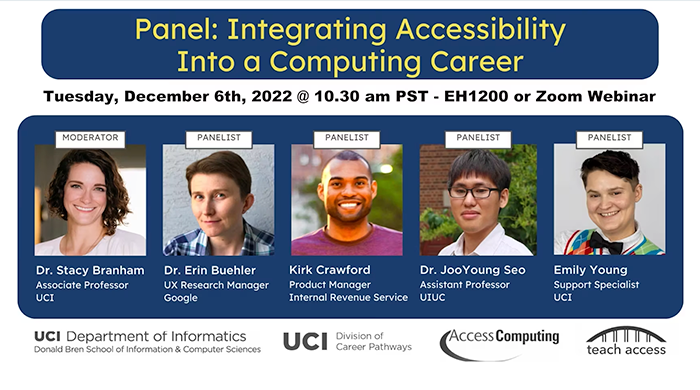
Zoom webinar title slide

Panel: Integrating Accessibility Into a Computing Career

Learn how to integrate accessibility into a computing career.